
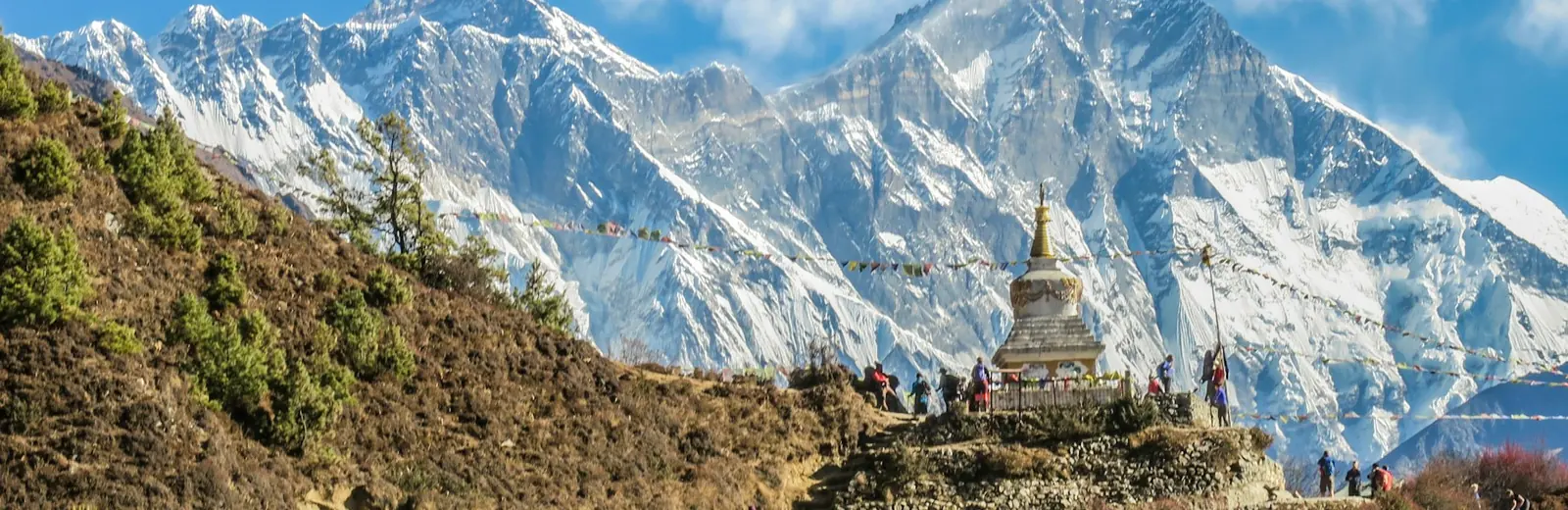
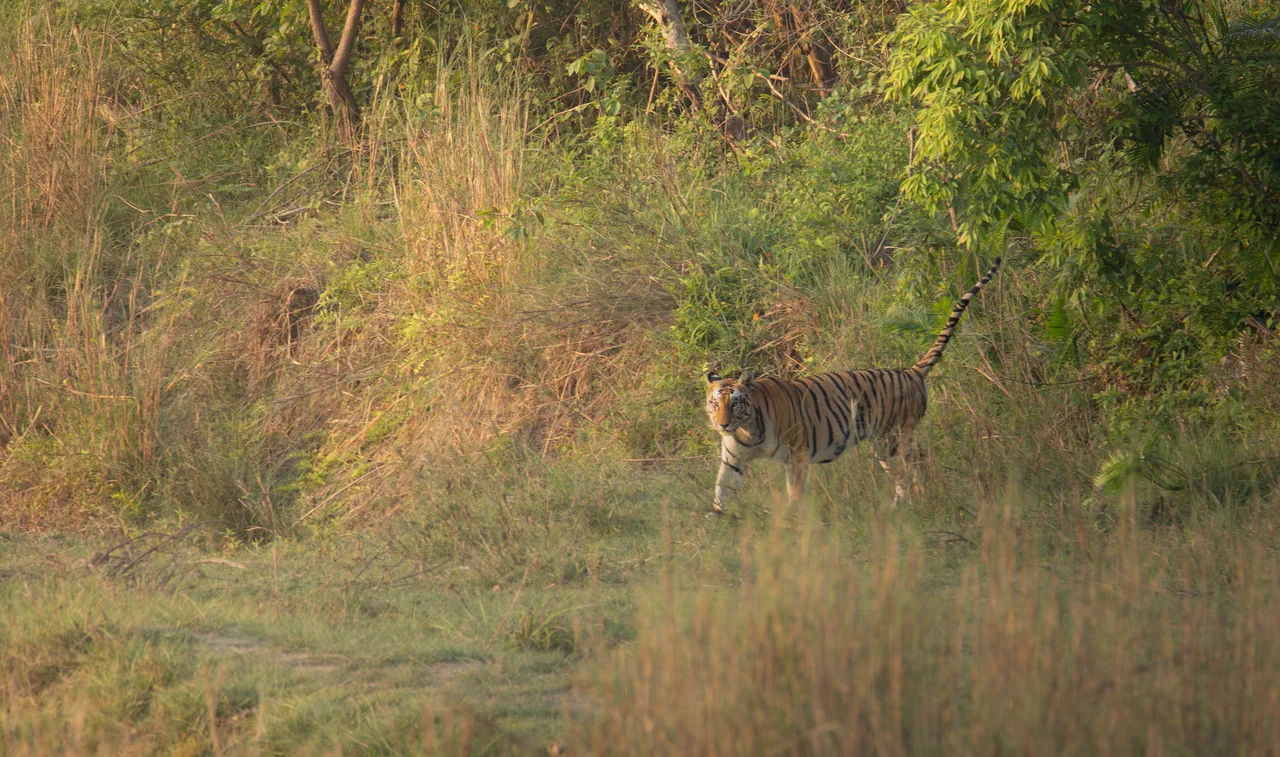
Before dawn mist lifts off the braided channels of the Karnali River, veteran Thakurdwara naturalists step onto quiet sandy trails bordering Bardiya National Park to read the jungle’s morning newspaper. Unlike crowded commercial tiger parks elsewhere in South Asia, Bardiya’s 968 square kilometers of undisturbed sal forest and open alluvial grasslands allow unhurried silent observation where wildlife behavior unfolds naturally.
How Field Naturalists Track Tigers Without Disrupting Habitat
- Reading Vocal Alarm Calls: Listening calmly around dawn waterholes near Baghaura Phanta and Tin Kuna reveals sharp chital barking deer alerts and warning barks from grey langurs perched high in silk-cotton trees.
- Following Fresh Pugmarks on Riverbanks: Soft silt deposited along the Geruwa and Babai riverbanks captures directional stride patterns from nocturnal territory patrols.
- Patience Over Speed: Choosing full-day slow tracking with our Bardiya National Park Wilderness Safari gives photographers steady afternoon waits at shady crossings where big cats drink.
Peak Months, Ethical Viewing & Related Corridors
While tigers roam year-round, dry crisp conditions between November and early May offer clearest sightlines as tall monsoon elephant grass settles. Pair your Terai safari west toward Suklaphanta Reserve or review our neutral safari packing checklist. All park entry rules and tiger conservation telemetry follow conservation guidelines maintained by the Department of National Parks and Wildlife Conservation (DNPWC) and Nepal Tourism Board.
Share Your Trail Notes & Questions