
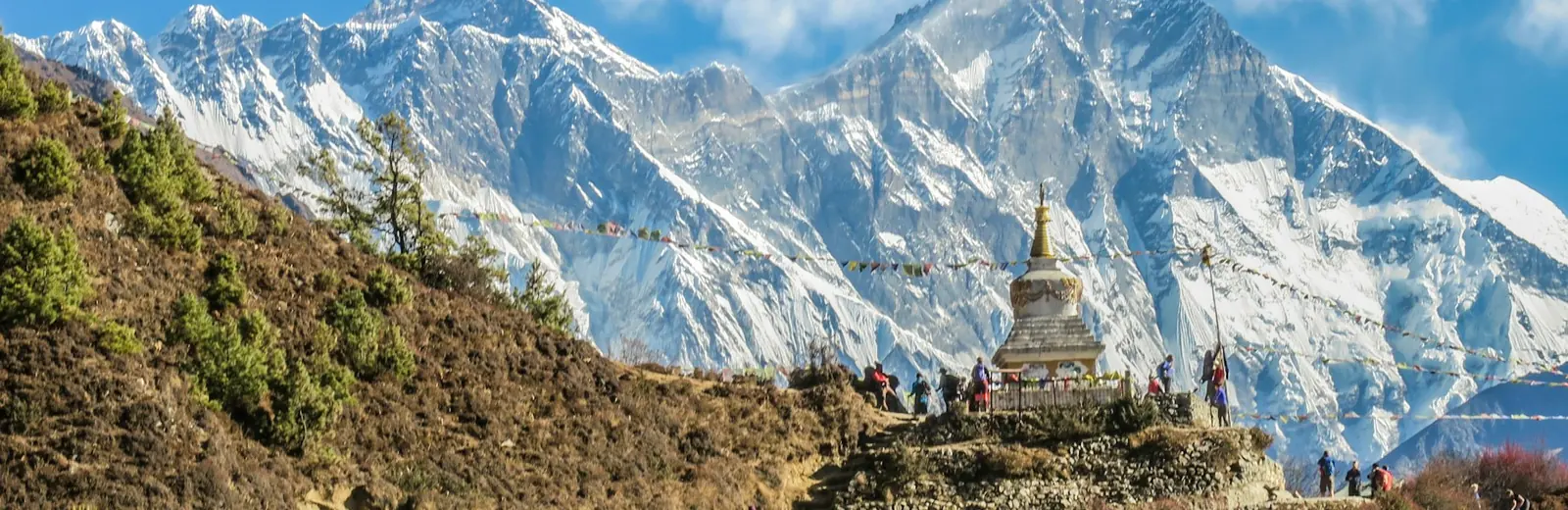
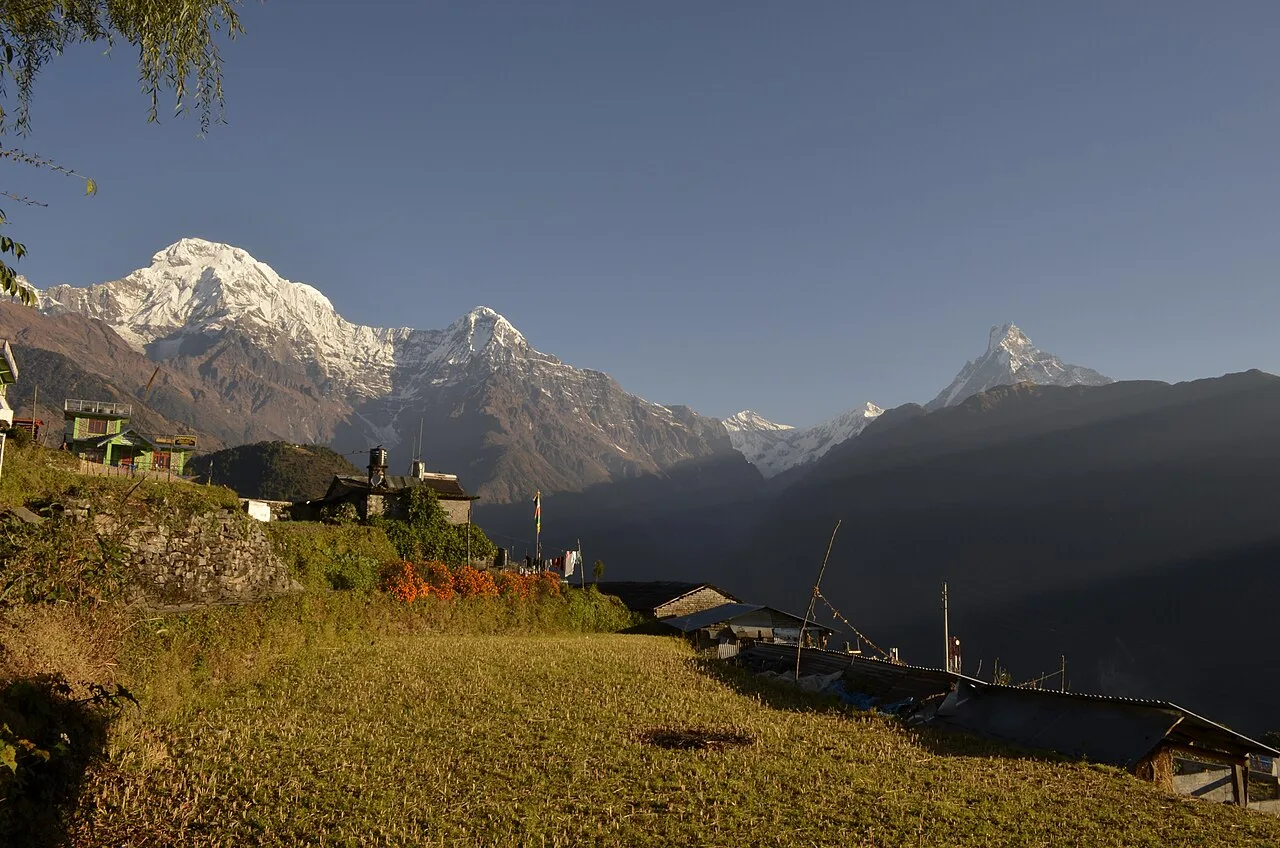
Choosing the ideal month across Nepal depends heavily on whether your priority is spotting Royal Bengal tigers in subtropical plains, walking wildflower alpine plateaus, or crossing rain-shadow mountain kingdoms. Because Western Nepal spans dramatic climatic bands, understanding regional weather differences unlocks clear skies even during transitional months.
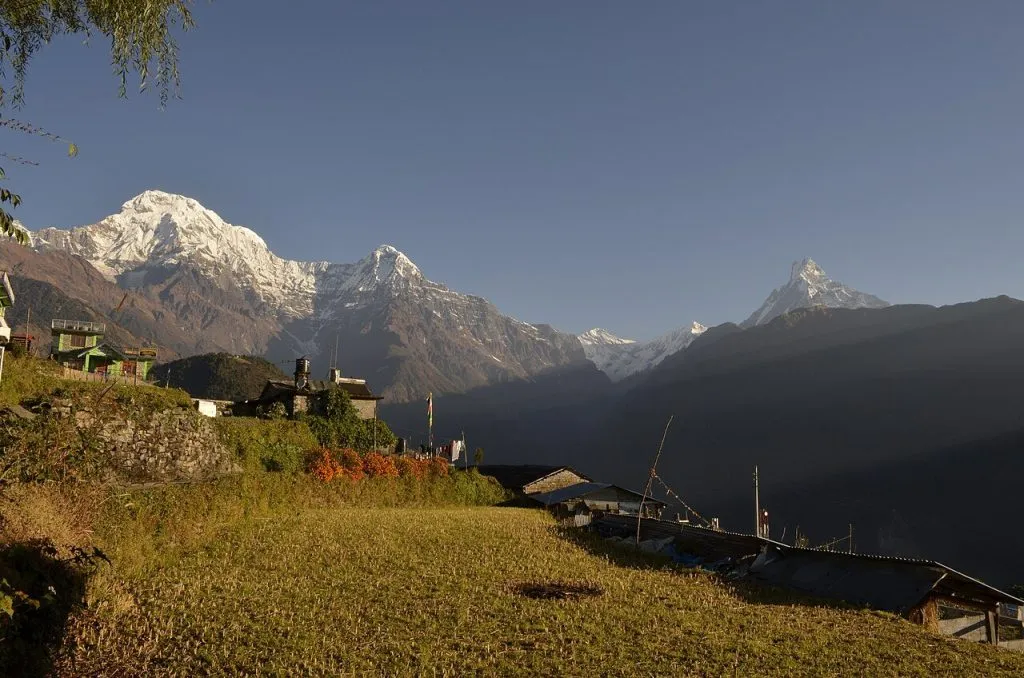
Four Seasonal Travel Windows at a Glance
- Autumn (October – November): Peak all-Nepal clarity. Crisp mountain views at Poon Hill, golden birch forests around Rara Lake, and settled dry highways for overland dispatch.
- Winter (December – February): Warm midday sun across southern sanctuaries (Lumbini, Chitwan, Bardiya) with quiet snow-dusted trails up north.
- Spring (March – May): Bloom explosion of scarlet Laliguras rhododendrons across Khaptad and Annapurna ridges, alongside prime wildlife congregation near park riverbeds.
- Summer Rain-Shadow Escape (June – September): Coastal monsoons green the lower hills while Upper Mustang stays sun-lit and dry behind the Dhaulagiri wall.
Essential Permit Authorities & Lead Times
National park entry tickets (Bardiya, Rara, Khaptad, Phoksundo, Chitwan, Suklaphanta) are issued under DNPWC regulations, ACAP conservation passes through NTNC, and Restricted Area Permits (RAP) via the Nepal Department of Immigration. Review general planning terms inside our Traveler FAQ.
Best Mid West Route Intelligence
Road surface status, seasonal window alerts, and 4WD clearance notes are regularly updated from our Kohalpur operations desk before each departure.
Share Your Trail Notes & Questions